
Indian Prime Minister Narendra Modi is caught in a diplomatic balancing act between the United States and Russia, as US President Donald Trump intensifies pressure on India to halt its purchase of Russian oil, citing it as economic support for Moscow amid the ongoing Russia-Ukraine conflict.
Despite Trump’s increasingly aggressive stance—including the recent announcement of a significant hike in tariffs on Indian imports—Modi’s government has consistently resisted US demands, arguing India’s decisions are driven by economic necessity rather than geopolitical alliances.
On Monday, Trump told he would escalate tariffs against India due to its continuous Russian oil imports, criticizing New Delhi for indirectly financing Russia’s war efforts in Ukraine. “India has always bought massive amounts of military equipment and oil from Russia. It has to stop,” Trump stated, highlighting his administration’s discontent.
India has firmly pushed back, labeling Trump’s new tariffs as “unjustified” and highlighting continued US and European trade with Russia in fertilizers and chemical sectors as evidence of selective criticism.
Why India Relies Heavily on Russian Oil
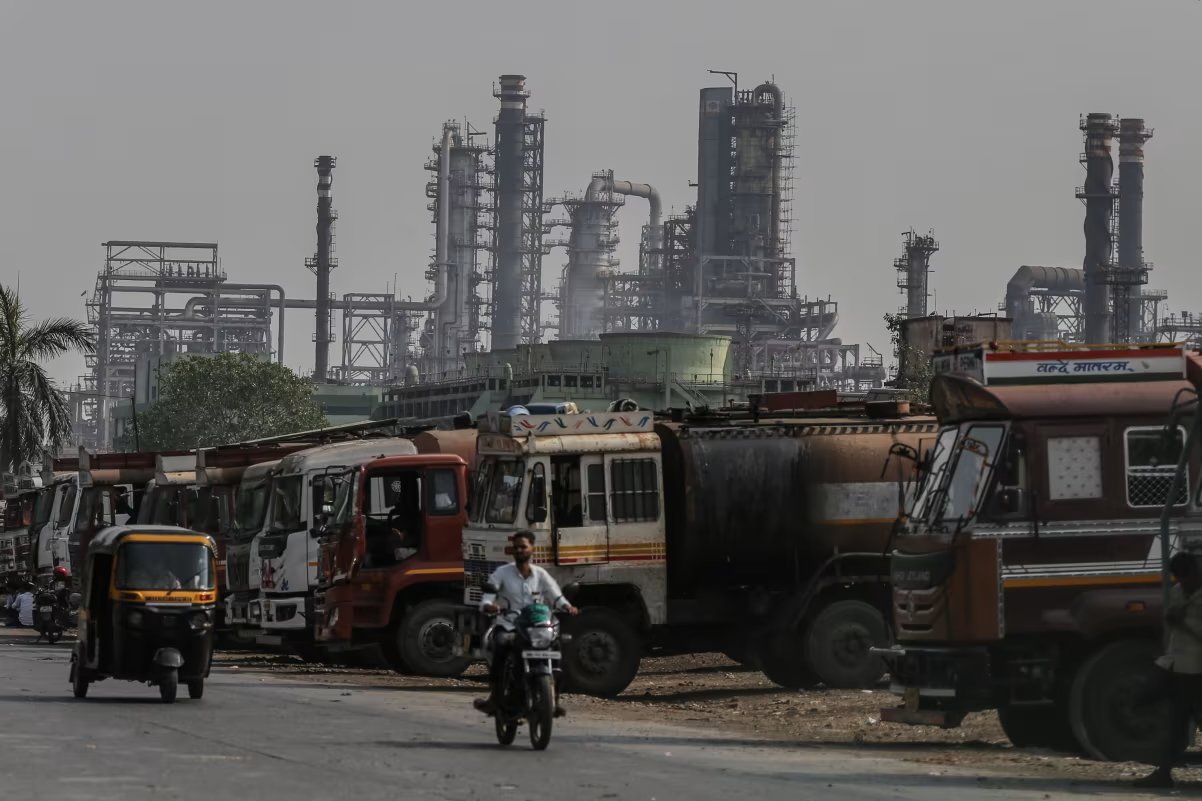
India’s dependence on Russian crude stems from deep-rooted economic factors. Russian oil constitutes approximately 36% of India’s total oil imports, significantly supporting its burgeoning economy and catering to a rapidly growing domestic demand driven by a population exceeding 1.4 billion. Experts predict India’s oil consumption will surpass China’s within a decade.
Since Russia’s invasion of Ukraine in 2022 led many European nations to significantly reduce their Russian oil imports, Moscow has turned primarily toward Asian markets. India now benefits from substantial discounts on Russian crude, making it economically challenging to shift abruptly to alternative suppliers.
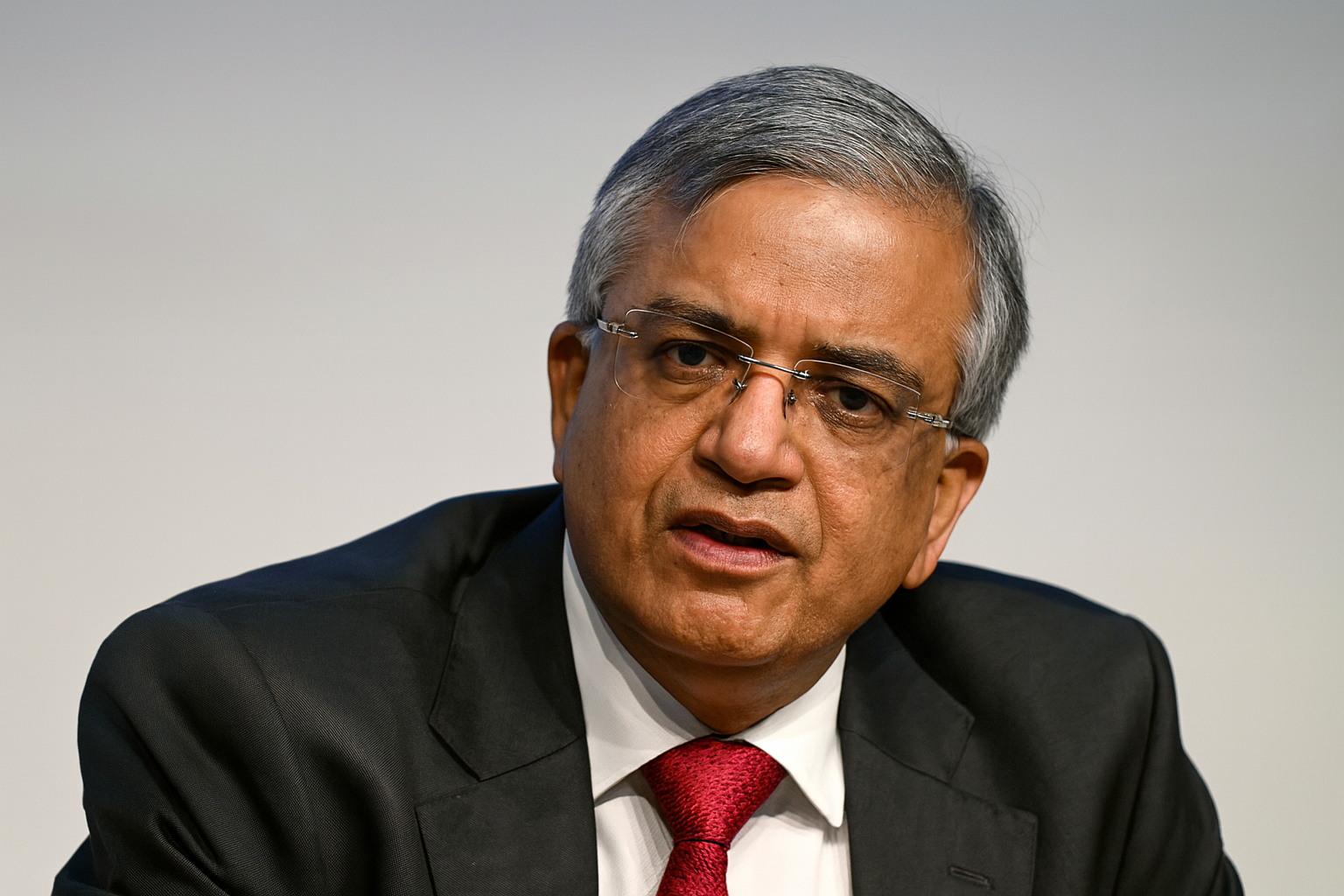
Amitabh Singh, a scholar from Jawaharlal Nehru University, emphasized India’s limited alternatives: “India’s purchases from Russia are purely based on economic and commercial calculations. The heavily discounted Russian oil helps stabilize domestic prices.”
Challenges in Finding Alternative Oil Sources
Switching suppliers would not be straightforward for India. Previously reliable sources such as Iran and Venezuela became inaccessible due to US sanctions during Trump’s first administration. Furthermore, production capacities from Middle Eastern producers within OPEC cannot immediately fill the gap left by Russian imports.
Singh noted, “India imports around 80% of its oil. Sudden disengagement from Russian oil imports without viable, cost-effective replacements could severely impact its economy and global oil prices.”
Global Impact of India’s Russian Oil Imports
India argues that its continued import of Russian oil indirectly benefits global markets by preventing further price surges. India refines and re-exports some of this oil as petroleum products to Western markets, including the US and EU, exploiting a sanctions loophole. Analysts from the Centre for Research on Energy and Clean Air have urged closing this loophole, claiming it indirectly supports Russia’s economic stability.
Strategic and Historical Ties
Beyond economics, India’s historical and strategic relationship with Russia complicates Modi’s response to Trump’s demands. Since the Cold War, Russia has been a critical military partner for India, supplying a significant portion of its defense equipment. Although India has diversified recently, increasing defense procurement from the US, France, and Israel, its deep-rooted Russian military ties remain strong.
The personal dynamics between Modi, Trump, and Putin also complicate matters. Modi’s relationship with Trump was previously marked by mutual admiration, but recent friction over oil and geopolitical concerns has strained ties.
Modi’s diplomatic dilemma is clear: he must carefully navigate US demands while safeguarding India’s economic stability and strategic autonomy, making a swift resolution unlikely despite Trump’s escalating pressures.