

Nationwide E20 Rollout Slashes Emissions and Fuel Imports, But Brings Risks for Engines, Farmers, and Food Prices
India’s aggressive leap into biofuel blending has produced both applause and anxiety. In July, the government proudly announced it had achieved a 20% ethanol (E20) blending target with petrol across the country—five years ahead of schedule. Officials celebrate this as a game-changing move for national energy security, climate policy, and the rupee, but some vehicle owners and food policy experts believe India may be racing ahead with both promise and peril in the tank.
Government data paints a bright picture: Since 2014, blending ethanol has cut nearly 70 million tonnes of carbon dioxide emissions and saved India’s treasury about 1.36 trillion rupees—roughly $1.5 billion—in foreign currency that would have gone to buy imported crude oil. The Council on Energy, Environment and Water (CEEW) estimates that without aggressive interventions, road transport-related emissions in India could double by 2050. Policymakers see boosting ethanol as an essential lever to restrain this trajectory.
But the story isn’t all sunny. Industry voices and everyday drivers are raising concerns that are growing too loud to ignore.
Not Every Engine is E20-Ready
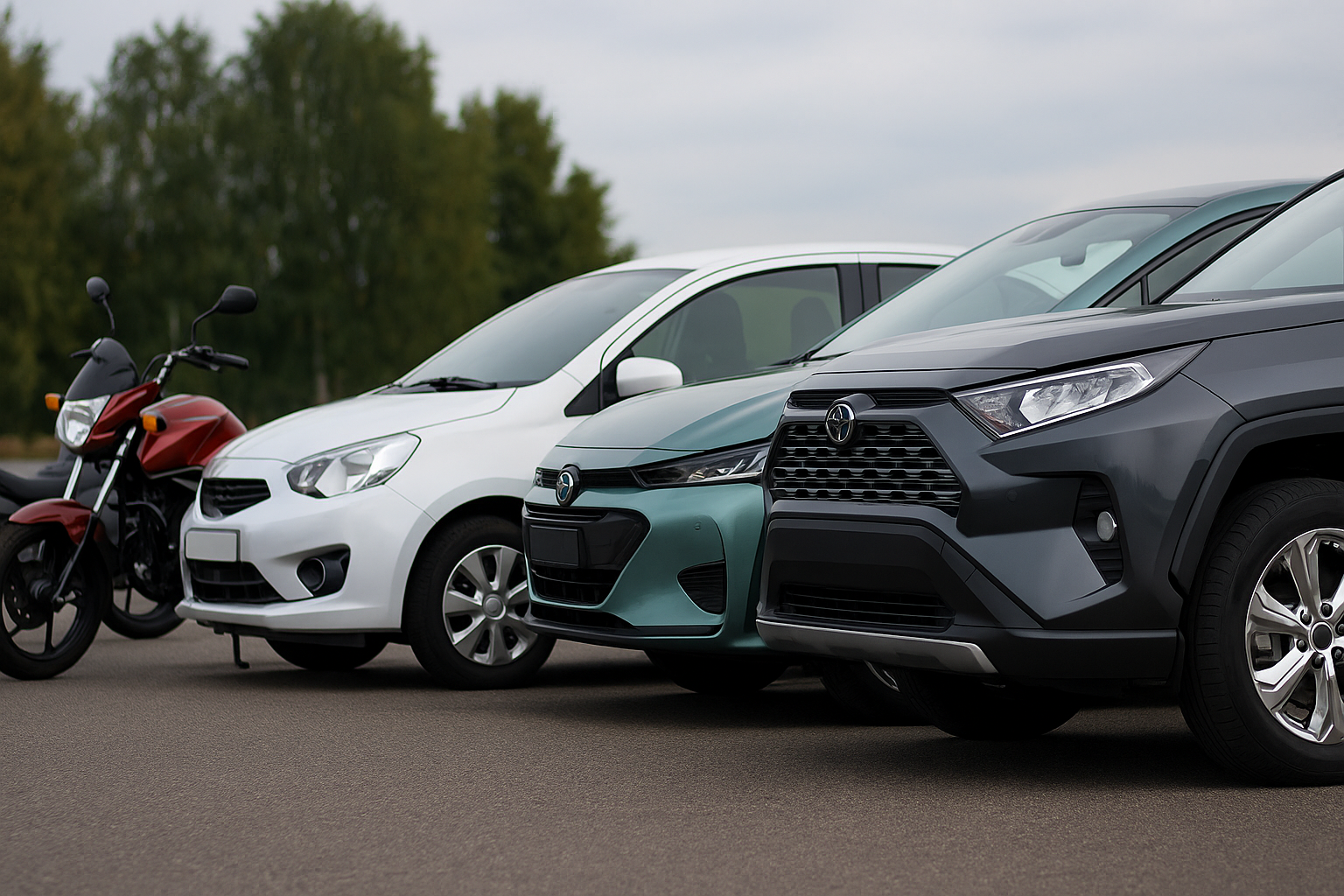
Many of India’s vehicles, especially older or budget-oriented models, aren’t built to handle E20. Unlike pure petrol, ethanol is more corrosive and has lower energy density, meaning potential long-term damage to certain fuel system components and slightly reduced mileage for many vehicles. Automotive journalist Hormazd Sorabjee notes that while some manufacturers, like Honda, have included E20-compatible materials in recent models, millions of two- and four-wheelers on the road today remain at risk.
Some carmakers, including Maruti Suzuki and Bajaj, are introducing upgrade kits—ranging from fuel line and gasket swaps to simple cleaning solutions—to help vehicles adapt. Costs, however, fall on drivers not anticipating additional maintenance. “Why should consumers bear the expense and the loss in mileage?” asks Delhi resident Amit Pandhi, voicing frustrations common on social media.
Meanwhile, India’s insurance landscape adds another layer of complexity. Vehicle damage from using non-compliant fuel blends may not be covered by standard policies, according to executives at top insurance platforms. Some drivers may need costly add-ons, with coverage for E20-related issues still unclear.
Government Insists: No Major Issues
The federal petroleum ministry has described panic as overblown, saying that advances in engine design and tuning minimize the new blend’s pitfalls. “Engine tuning and upgraded materials reduce drop in mileage,” the ministry stated in a recent post, urging drivers to rely on service centers for affordable upgrades.
From a regulatory standpoint, officials stress that most new vehicles rolling off Indian assembly lines today are E20-ready by default. Still, the absence of alternatives at petrol pumps—drivers can’t opt for old-school E10 even if they want to—means the adjustment is happening quickly and universally.
Ethanol and the Food Chain: Unintended Costs?
If worries about vehicle health weren’t enough, food policy experts and climate researchers are raising louder alarms about the side effects of India’s ethanol push. Most ethanol comes from sugarcane, but with demand skyrocketing, India has had to divert more maize (corn) and even subsidized rice into fuel plants.
Estimates from the think tank Center for Study of Science, Technology and Policy suggest India will need over 10 billion liters of ethanol just to meet current targets, and that number could double by 2050. In the past year, the country became a net importer of maize for the first time in decades, fueling cost spikes in the poultry sector and raising worries about inflation for both consumers and farmers.
What’s more, the Food Corporation of India (FCI) greenlit the conversion of more than 5 million tonnes of public rice stock into biofuel in 2025—rice initially earmarked for low-income food programs. Devinder Sharma, a prominent food policy expert, warned, “In a nation where hundreds of millions still go hungry, we must not burn food to power cars.”
Niti Aayog, a major government think tank, advised careful policy support—like offering tax breaks for E20-compliant vehicles and keeping ethanol blend prices low. But officials say those steps have become difficult as the global price for ethanol rises.
Agriculture, Land Use, and the Environment
The balancing act grows still harder when factoring in environmental and agricultural realities. Sugarcane, though high yielding, is an extremely water-intensive crop. If India shifts to more maize, millions of new hectares may need to be sown—potentially at the expense of oilseeds, pulses, or other essential crops.
Experts like Ramya Natarajan from CSTEP argue that the blend policy could be more sustainable if India sticks for now with E10, allowing food, fuel, and water needs to be balanced with fewer trade-offs. She adds, “If we convert too much prime farmland for ethanol, we risk undermining food and income security just as monsoon patterns get less reliable.”
What’s Next? E25 and E30 on the Horizon
Despite the debate, the trend is clear: Petroleum Minister Hardeep Puri has announced plans for India to move toward higher blends—E25, E27, and even E30 in the coming years. The hope is to build a cleaner, leaner energy future, but how the transition works out for ordinary Indians—at the pump, on the road, and in the kitchen—remains a pivotal question.
India’s biofuel journey underscores both ambition and complexity—a showcase of innovative policymaking, but also a case study in the trade-offs required when economies move fast and with scale.