

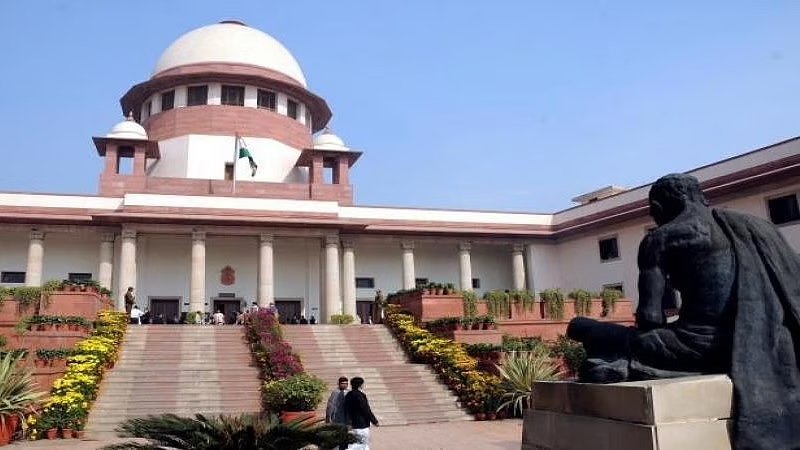
India’s legal and financial spheres are witnessing a wave of high-profile developments, as major arrests and Supreme Court hearings grab national attention and stir public discourse.
In one of the most significant enforcement actions this year, the Enforcement Directorate arrested a former Axis Mutual Fund dealer implicated in a massive front-running scam. The case involves allegations of illegal trading practices valued at crores, sparking calls for tighter regulatory oversight within India’s growing financial markets.
The arrest has reignited debates about market integrity, investor protection, and the need for stronger reforms to combat financial malpractices. Authorities pledge continued vigilance to restore confidence among retail and institutional investors.
At the same time, the Supreme Court is deliberating landmark petitions on Jammu & Kashmir’s political status and electoral reforms. These hearings carry deep constitutional significance and are closely watched by politicians, civil society, and legal experts.
The debate over restoring Jammu & Kashmir’s statehood remains a focal point, with arguments presented by various stakeholders reflecting the complex political and social dimensions.
Separately, the judiciary is hearing petitions related to campaign financing transparency, criminal justice reforms, and freedom of speech. The courts’ rulings on these issues will have long-standing impacts on India’s democratic fabric.
Political analysts view these legal battles as pivotal moments that will shape governance and the rule of law in the coming years.
Public interest remains high, with considerable media coverage and vibrant public debate surrounding these cases.
This legal shake-up highlights the tensions between economic development, political power, and judicial independence in India’s evolving democracy.