

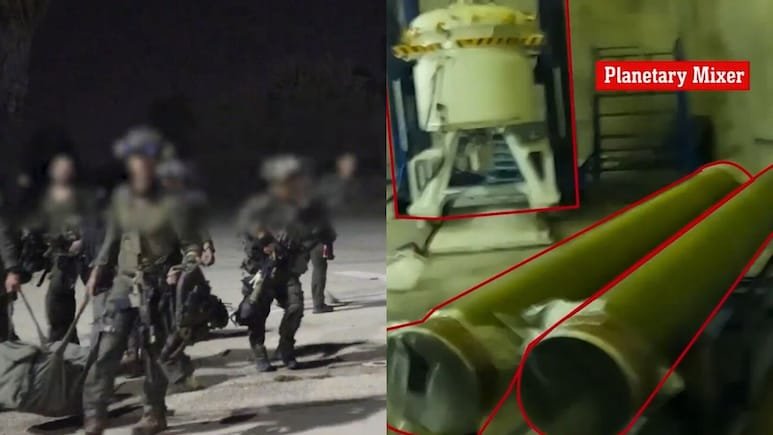
The high-stakes mission, codenamed “Operation Many Ways,” targeted an underground missile facility allegedly funded by Iran.
On Thursday, the Israeli Air Force (IAF) declassified details of Operation Many Ways, a meticulously planned mission that saw 120 elite commandos destroy an underground missile manufacturing facility in Syria. The operation, carried out on September 8, 2024, highlighted Israel’s precision military capabilities amid heightened regional tensions.
The facility, codenamed Deep Layer, was reportedly located near Masyaf, a stronghold of Syrian air defences in western Syria. Israeli officials allege that the site was a key project in Iran’s missile production program, intended to supply precision-guided missiles to Hezbollah in Lebanon and to the Assad regime.
Inside the Facility: Deep Layer
The Deep Layer facility was an engineering marvel, constructed 70 to 130 meters beneath a mountain to evade aerial attacks. Initially conceived after an Israeli strike in 2017 targeted an aboveground missile site, the underground project became operational by 2021.
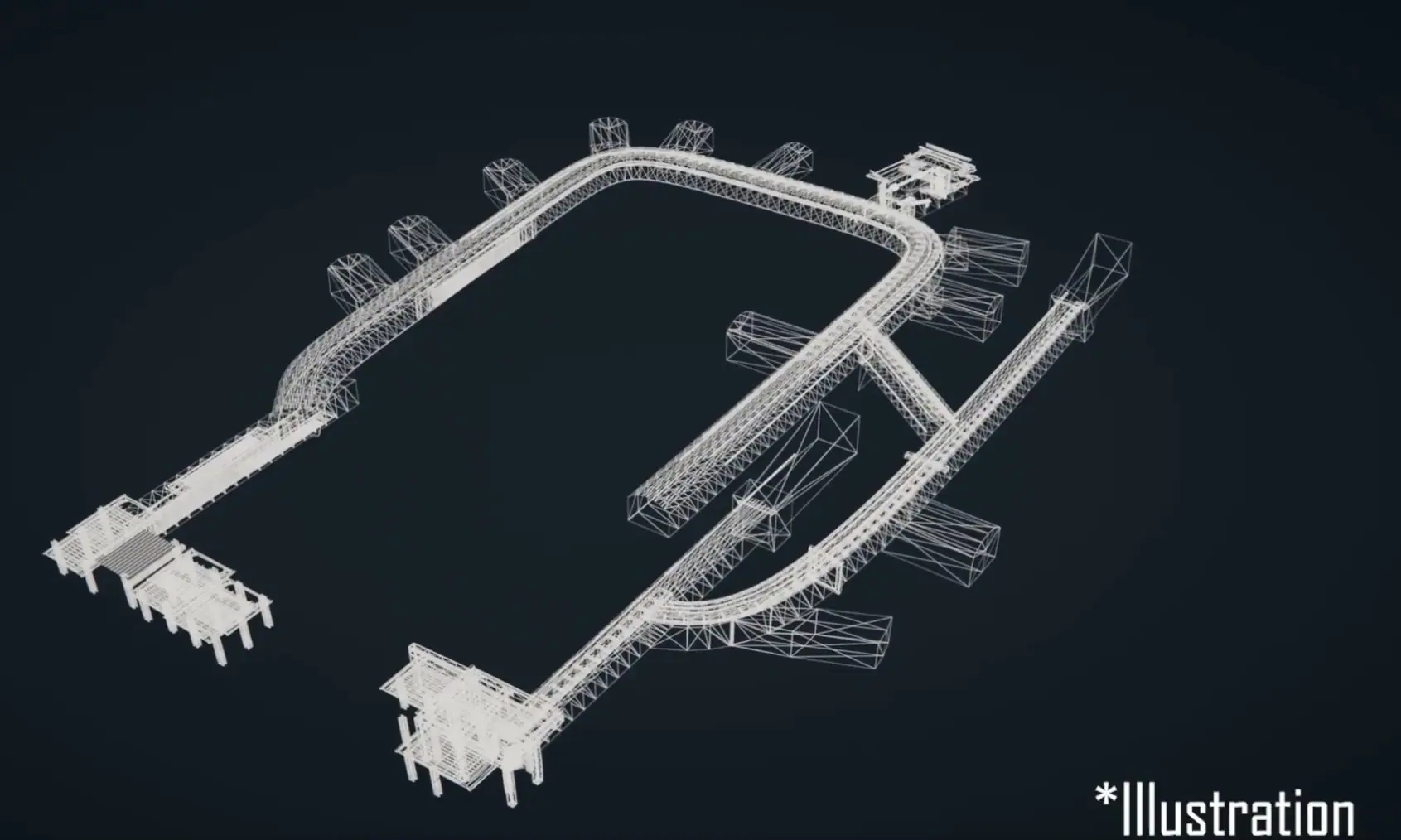
Key features of the facility included:
- Three Entrances: For raw materials, completed missiles, and logistics.
- Sixteen Production Rooms: Including areas for fuel mixing, missile body assembly, and painting.
- Annual Output: Estimated at 100-300 missiles, each capable of targeting locations up to 300 kilometers away.
The location, just 200 km from Israel’s border and 45 km from Syria’s western coastline, allowed Iran to bypass Israeli strikes on overland arms shipments, providing Hezbollah with direct missile supplies from Syria.
Preparation for the Mission
The IDF had been monitoring Deep Layer for years, gathering intelligence and refining operational plans. The urgency for action escalated after the multifront war of October 2023, involving Hamas, Hezbollah, and other Iran-backed militias.
DECLASSIFIED: In September 2024, before the fall of the Assad Regime, our soldiers conducted an undercover operation to dismantle an Iranian-funded underground precision missile production site in Syria.
Watch exclusive footage from this historic moment. pic.twitter.com/s0bTDNwx77
— Israel Defense Forces (@IDF) January 2, 2025
Elite units, including the Shaldag unit (specializing in long-range penetration operations) and Unit 669 (combat search and rescue), were tasked with the mission. Over two months of rigorous training simulated every possible scenario, including breaching heavily fortified entrances using specialized equipment like forklifts.
The mission date was strategically chosen for favorable weather conditions, ensuring optimal visibility and minimal detection risk.
The Execution: Operation Many Ways
The operation began with a convoy of four CH-53 “Yasur” heavy transport helicopters, carrying 100 Shaldag commandos and 20 Unit 669 medics. Escorted by AH-64 Apache helicopters, 21 fighter jets, and multiple drones and reconnaissance planes, the convoy flew over the Mediterranean to avoid Syrian radar detection.
Upon entering Syrian airspace, the helicopters flew at extremely low altitudes to evade one of Syria’s densest air defense systems. To divert attention, the IAF simultaneously launched strikes on unrelated Syrian targets.
The helicopters landed near Deep Layer’s entrances, deploying commandos who quickly secured the perimeter. Using on-site equipment, including forklifts, the team breached the facility’s fortified entrances.
Inside, the commandos planted 660 pounds of explosives along critical production lines, including machinery for fuel mixing and missile assembly. Once the charges were in place, they withdrew and detonated the explosives remotely.
The resulting blast, equivalent to one ton of TNT, caused a “mini earthquake” that reportedly shook the ground. Commandos completed their mission in under three hours, departing aboard the same helicopters.
Casualties and Fallout
The IDF reported killing approximately 30 Syrian guards and soldiers, while Syrian media claimed 14 fatalities and 43 injuries. Despite the scale of the operation, no Israeli personnel were injured.
Strategic Implications
Operation Many Ways represents a significant blow to Iran’s missile production capabilities and a strategic victory for Israel in curbing Hezbollah’s access to advanced weaponry. The mission underscores Israel’s commitment to neutralizing regional threats, even in the face of heavily fortified targets.

As tensions remain high across the Middle East, the success of this operation signals Israel’s resolve to maintain its security and counteract Iran-backed militias.