
India’s Ministry of External Affairs (MEA) has issued one of its most assertive diplomatic statements in recent years, addressing escalating international pressure over the country’s growing imports of Russian crude oil amid US tariff threats and European sanctions. The six-point rebuttal, released on August 5, 2025 by MEA spokesperson Randhir Jaiswal, underscores a deepening resolve in New Delhi to chart its own course in foreign and energy policy—regardless of intensifying global scrutiny.
Strong Words, Steadfast Posture
The MEA didn’t mince words, condemning what it described as “duplicitous” and “hypocritical” behavior on the part of the United States and EU. “Both blocs,” pointed out Jaiswal, “have continued their own energy-related dealings with Russia, even as they seek to sanction others.”
This, the statement noted, erodes the credibility of Western sanctions and places “undue, unilateral pressure” on the independent decisions of emerging powers like India. The Indian government made it clear that it views such pressure as not merely economic, but a test of its sovereignty and policy autonomy.
The Oil Puzzle: Pragmatism Over Politics
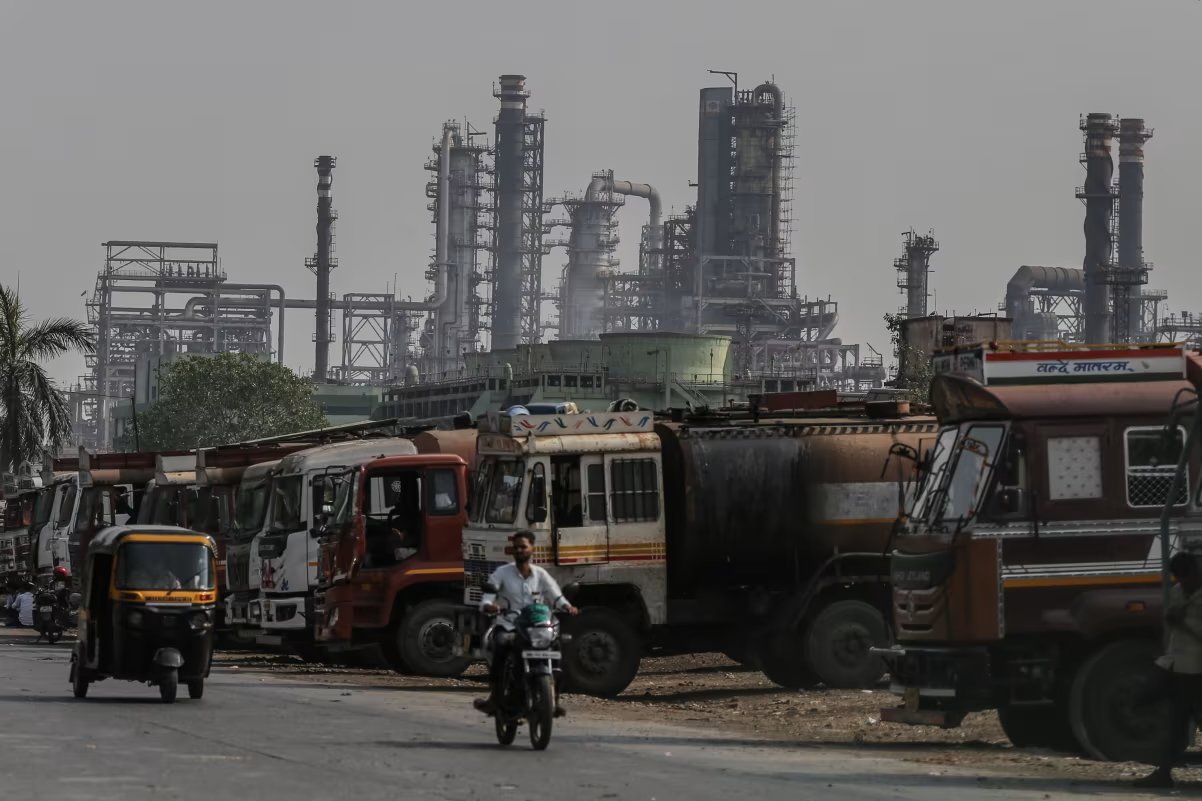
Why does India continue to import Russian oil? The government’s answer is grounded in pragmatism, not geopolitics. After the outbreak of the Ukraine conflict and Western sanctions upending global energy markets, traditional supply chains to India were severely disrupted. Facing the prospect of spiraling domestic fuel prices and industrial slowdowns, Indian officials made the strategic choice to diversify energy sources—including taking advantage of discounted Russian oil.
These purchases, the MEA maintained, were vital in stabilizing domestic fuel costs, supporting economic growth, and insulating close to 1.4 billion Indians from global price shocks. The government presented this policy not as “siding” with any one bloc—but as a matter of sovereign right and necessity.
Responding to US and EU: “No to Bullying, Yes to Dialogue”
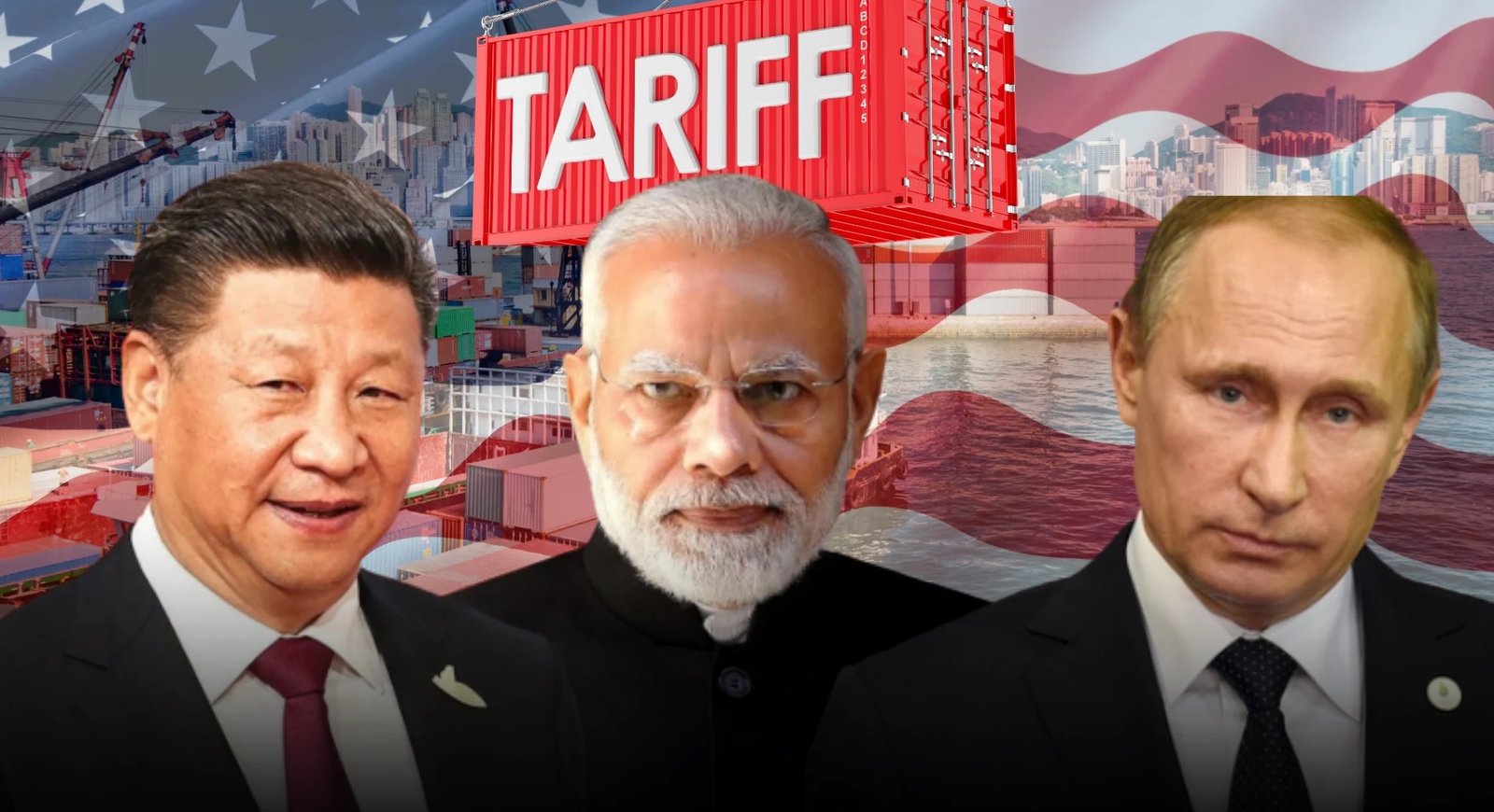
The MEA statement’s most headline-catching lines were reserved for US President Donald Trump’s fresh threat of tariffs on Indian goods if New Delhi continues its Russian oil relationship. MEA called these threats “unjustified and unwarranted,” firmly rejecting any notion that India would bend to foreign pressure—economic or otherwise.
Furthermore, the MEA highlighted the double standards of US and EU leaders, who, according to the statement, “manage their own interests first,” while seeking to dictate the terms by which others must structure their economies.
Evolution in India’s Diplomatic Approach
Behind the tough talk, analysts see signs of refinement in India’s diplomatic strategy. While safeguarding its core interests, New Delhi has subtly suggested a willingness to “recalibrate” its approach in future trade negotiations if partners also show goodwill and mutual respect. Senior MEA officials hint at a more assertive yet nuanced engagement—willing to listen, but insistent on respect for India’s unique position as both an emerging power and a critical energy consumer.
India is also now actively seeking diversified sources and energy partnerships, investing further in renewables, and negotiating new supply deals from the Middle East, Africa, and Latin America to ensure resiliency and stable prices in the years ahead.
Global Reactions and Strategic Implications
International trade commentators have noted that India’s latest posture could set a precedent for other developing nations walking the tightrope between Western alliances and their own developmental needs. India’s willingness to publicly reject coercive language while remaining open to diplomatic dialogue reflects growing confidence among rising economies.
India has, according to trade experts, “quietly but unmistakably” influenced the debate in many major capitals on the limits and consequences of extraterritorial sanctions. Meanwhile, some Western policymakers are beginning to argue for more flexible, partnership-oriented approaches—especially as the global south becomes too powerful and interconnected to ignore.
Policy, Partnership, and the Road Ahead
Back home, the MEA’s approach has been widely welcomed across the political spectrum. Energy security and national dignity resonate strongly with Indian voters, especially in a climate where global volatility still threatens household budgets.
Economists believe that the government’s stand will offer leverage at the negotiating table as the US, EU, and India work out a complex dance of economic, strategic, and environmental interests over the coming year.
Conclusion
India’s latest MEA statement stands as a pivotal assertion of 21st-century sovereignty. In the face of global trade headwinds, the country is refusing to be boxed in—demanding not only respect for its domestic priorities but a seat at the high table of talks that will define the future of global energy, trade, and diplomacy.